Why This Environment Matters
Horses require an environment built around presence, movement, responsibility, communication, care, time outdoors, and connection. Many of these same experiences are independently associated with wellbeing, learning, confidence, and healthy development. Yet the cost, infrastructure, transportation, and knowledge required to enter the horse world can place these experiences out of reach for many people, schools, and community organizations.
The Barn School brings them together in one place and creates more ways for people to access them.
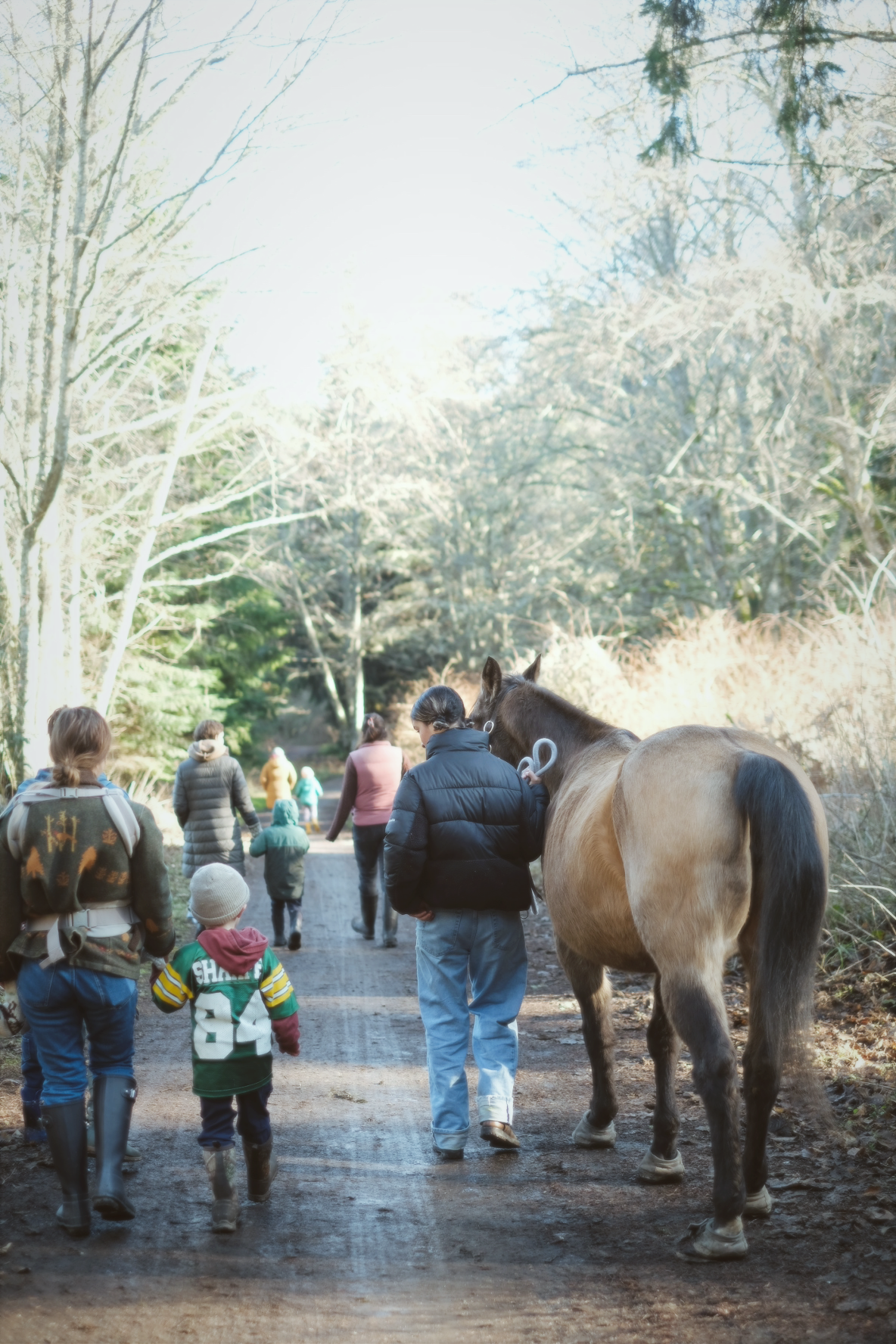
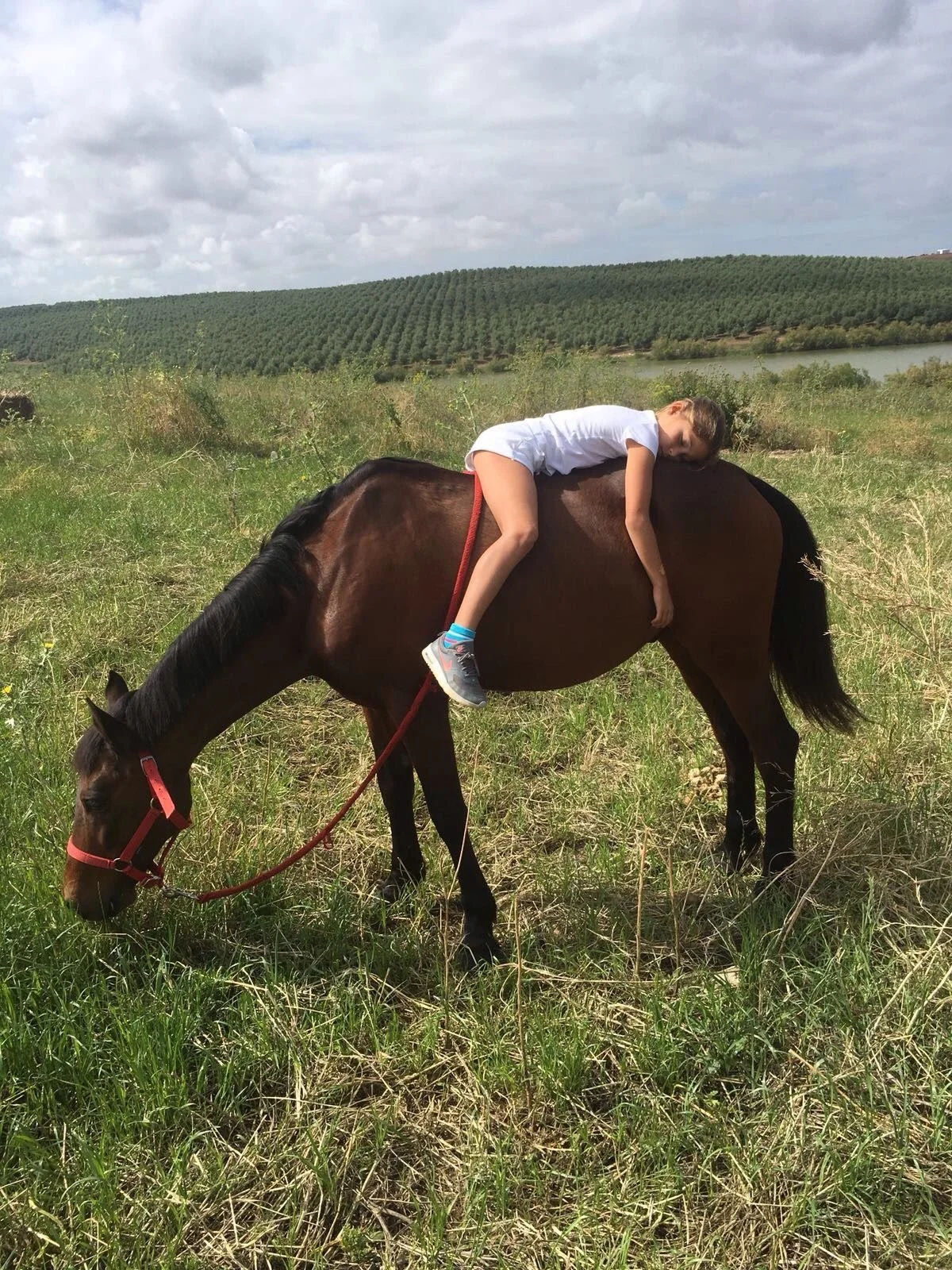
Connection and Wellbeing
Horses create a form of connection that is immediate, physical, and honest. They respond to tone, posture, consistency, and intention, asking participants to notice how they enter a relationship and how another being responds. Barn School uses this relational environment to address experiences such as isolation, disconnection, and limited opportunities for meaningful belonging. Over time, that practice can strengthen empathy, communication, trust, and the ability to build healthier relationships outside the barn. We will measure progress through participant retention, engagement, communication, relationship-building, and feedback from participants, families, and partner organizations.
Learning Through Experience
Some lessons have to be lived.Experiential learning is powerful because understanding develops through action, feedback, reflection, and trying again. Horses make that cycle visible: a cue works or does not, a responsibility is completed or missed, and a problem requires adjustment. Barn School uses this environment to strengthen practical judgment, confidence, independence, and problem-solving skills that can carry into school, work, relationships, and everyday decision-making. Progress can be measured through horsemanship skills gained, responsibilities assumed, increasing independence, and progression through lessons, leadership, or work opportunities.
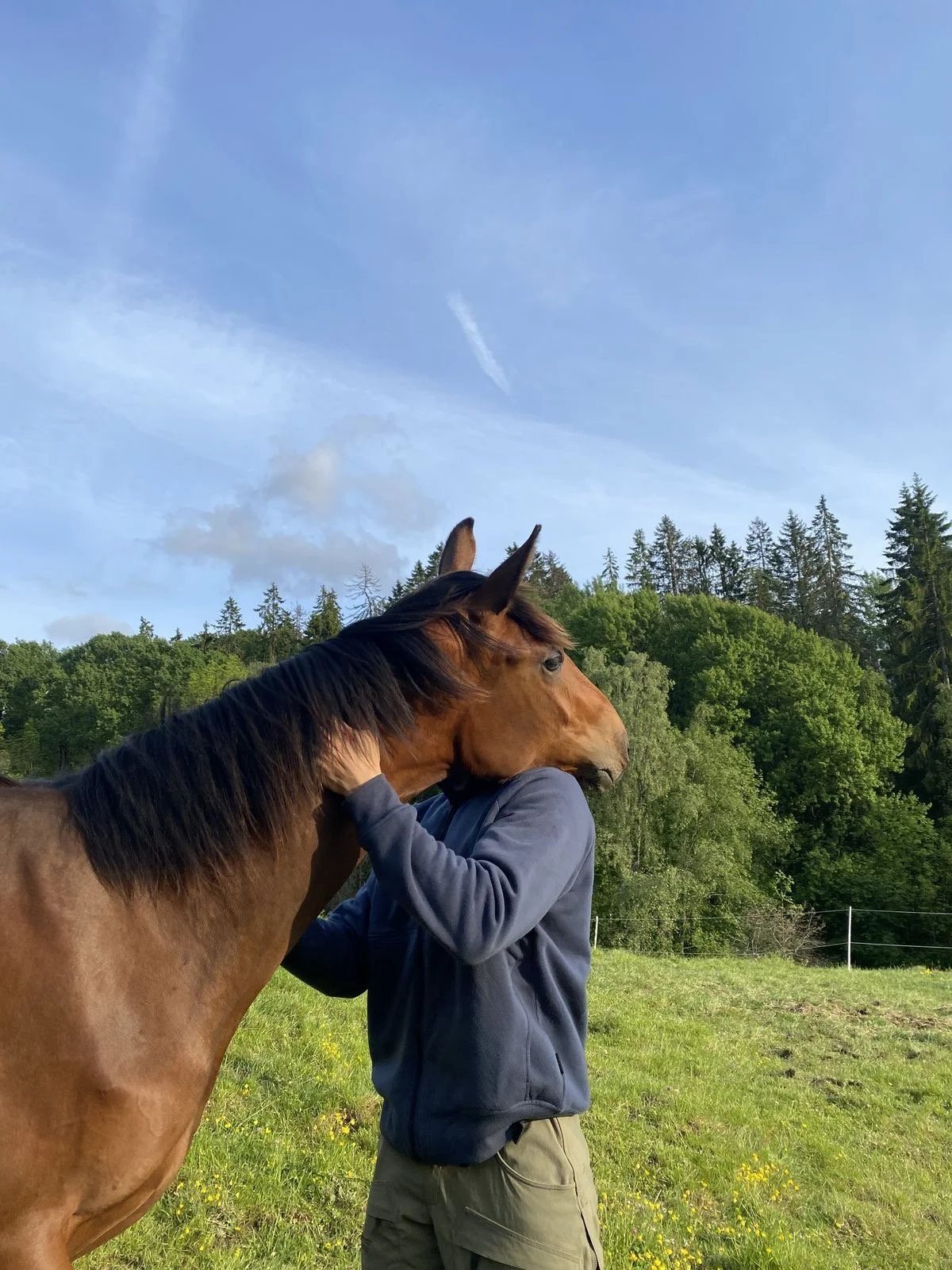
Prescence
Our attention has somewhere else to goModern life offers few environments that genuinely require sustained attention while also involving movement, nature, and responsibility. Horses do. Their size, sensitivity, and constant communication require participants to notice what is happening rather than move through the experience on autopilot. Barn School intentionally combines reduced screen use, outdoor activity, movement, and real-time interaction to create space for focus and self-awareness. That practice can support greater attentiveness, emotional regulation, and the ability to stay engaged in conversations, learning, work, and stressful situations. We can track engagement, sustained attention, participation, program completion, and participant-reported changes in focus and presence.
Growth Through Challenge
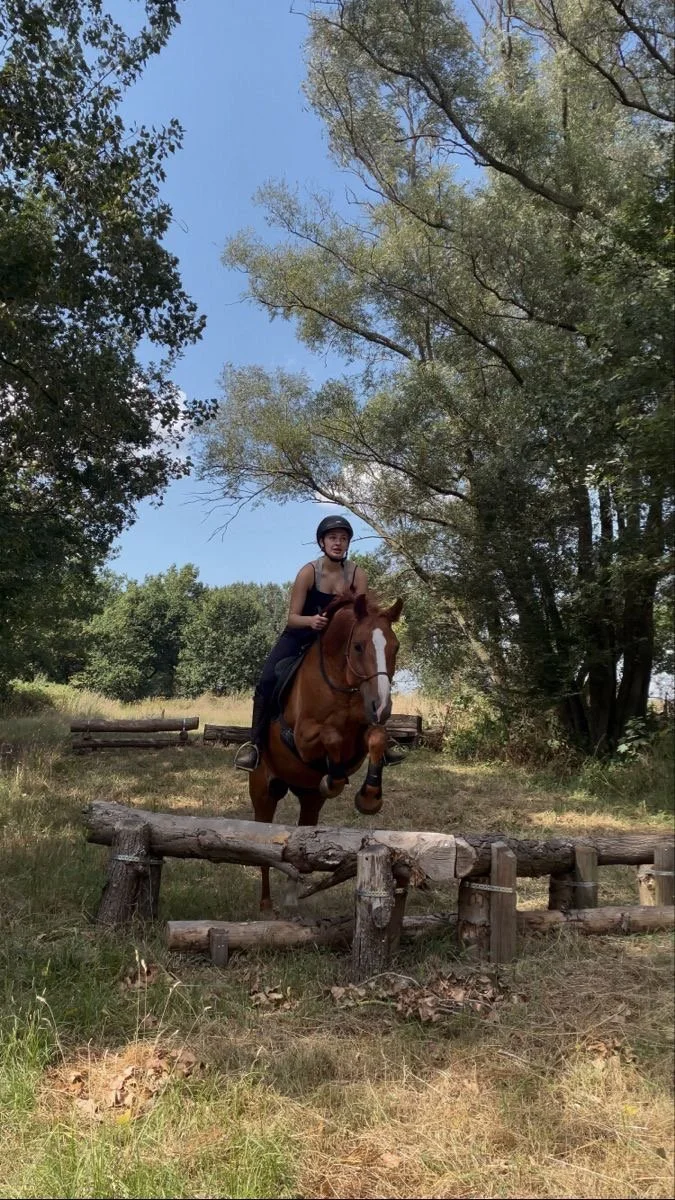
Confidence grows through doing difficult things.Confidence is difficult to build through reassurance alone; it often develops through successfully navigating something that once felt uncertain. Horses provide repeated opportunities to practice patience, courage, flexibility, and recovery from mistakes in a setting where progress is tangible. The Barn School uses appropriately supported challenge to help participants build self-trust and persistence - qualities that can influence how they approach unfamiliar tasks, setbacks, conflict, and responsibility in everyday life. We will measure growth through riding and horsemanship progression, willingness to attempt new tasks, increased responsibility, leadership development, and participant reflection over time.
Opportunity Beyond the Barn
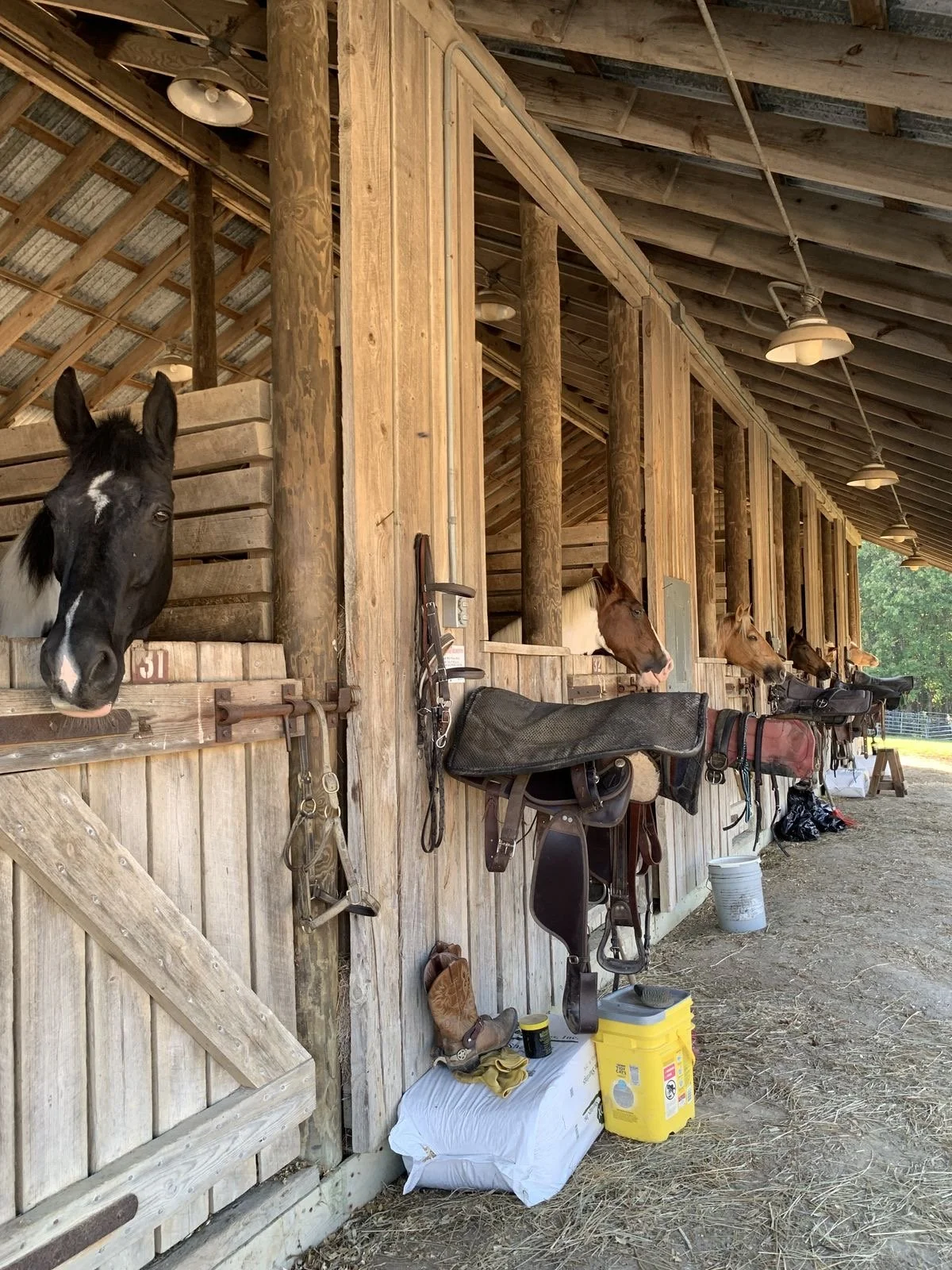
ONE experience can become a pathway.Horsemanship brings many developmental experiences together in one place: responsibility affects another living being, communication receives an immediate response, and patience, leadership, awareness, and problem-solving have practical consequences. Barn School is designed around the idea that these experiences become practice for life beyond horses—shaping how participants approach relationships, learning, work, responsibility, leadership, and challenge. We will look for that transfer through continued participation, school and partner feedback, movement into leadership or paid roles, increased independence, and participants’ own accounts of change outside the barn.
The horse is at the center, but the environment around them is what makes this experience so much bigger.
Caring for and working alongside horses asks us to be present, move our bodies, communicate, take responsibility, solve problems, build relationships, spend time outdoors, and care for something beyond ourselves.
Those experiences don't end when someone leaves the barn.